
The psychology of risk Understanding the gambler’s mind
The Allure of Gambling
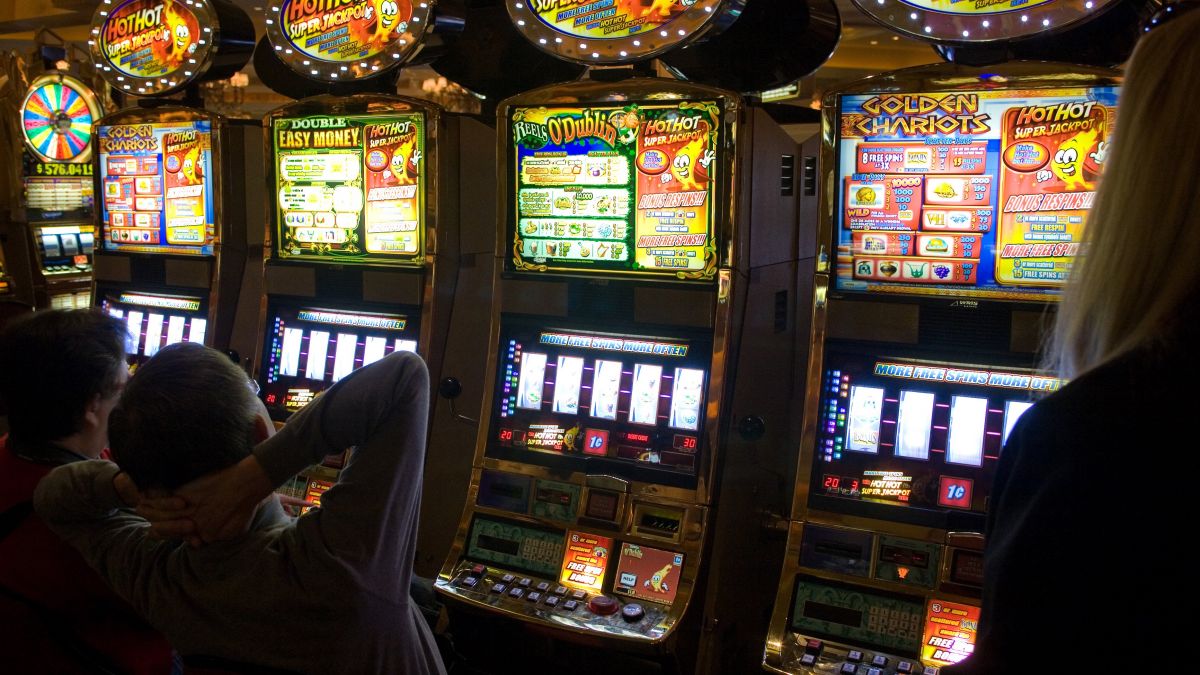
Gambling has fascinated individuals for centuries, primarily due to the thrill it offers. The psychology behind this allure can be traced to several factors, including the adrenaline rush and the potential for monetary gain. For many, the prospect of winning big can overshadow the risks involved, leading them to engage in gambling activities despite knowing the odds are against them. In seeking the most enjoyable experiences, many turn to the best bitcoin casino, which promises exciting entertainment.

This phenomenon is often exacerbated by cognitive biases, such as the illusion of control, where individuals believe they can influence the outcome of a game through skill or strategy. This misguided perception heightens the excitement, driving gamblers to participate more frequently, often ignoring the inherent risks associated with their behavior.
Risk perception plays a crucial role in the decisions made by gamblers. While some individuals may recognize the dangers, others may underestimate them. This discrepancy is influenced by factors such as personal experiences and the framing of information regarding risks. Gamblers tend to focus on potential rewards rather than the likelihood of losses, which can skew their judgment.
Furthermore, societal influences and media portrayal of gambling can shape one’s perception of risk. Positive representations of gambling winnings may create a false sense of security, leading individuals to believe that success is more attainable than it actually is. This cognitive dissonance can contribute to compulsive gambling behaviors and hinder informed decision-making.
The Role of Emotion in Gambling
Emotions significantly impact gambling behavior, often dictating how individuals perceive risks and rewards. The excitement of betting, the thrill of playing, and the disappointment of losing can create a complex emotional landscape for gamblers. These emotional highs and lows can lead to impulsive decisions, often resulting in greater financial losses.
Moreover, emotional states such as stress or boredom can trigger gambling as a coping mechanism. When faced with negative emotions, individuals may turn to gambling to escape reality or to achieve a temporary high. This emotional reliance can develop into a problematic cycle, where the individual continues to gamble to manage feelings rather than addressing the underlying issues.
Social influences play a significant role in shaping gambling behavior and attitudes towards risk. Peer pressure can encourage individuals to engage in gambling, often normalizing behaviors that they might otherwise perceive as risky. Additionally, social networks can create an environment where gambling is celebrated, further perpetuating the cycle of risk-taking.
Conversely, social support can also aid in the prevention of problematic gambling. Open conversations about risks and responsible gambling practices can help individuals make informed choices and develop healthier attitudes toward gambling. Understanding the impact of social dynamics is essential for addressing the psychological factors that drive gambling behavior.
The future of the gambling industry is likely to be shaped by ongoing research into the psychology of risk and gambling behavior. As technology advances, online gambling platforms may incorporate insights from psychology to create safer environments and promote responsible gambling practices. The awareness of psychological factors influencing gambling can lead to better support systems for those at risk of addiction.
In conclusion, understanding the psychology of risk is vital for both gamblers and industry professionals. By delving into the motivations, emotions, and social influences surrounding gambling, we can foster a more informed perspective on the risks involved. This knowledge can ultimately contribute to a healthier gambling environment, benefitting individuals and communities alike.